
Gokbilge EngineeringGOKBILGE

Industry

Industrial Facilities

Plant upgrades, process-support systems and operational technology programs for production environments.

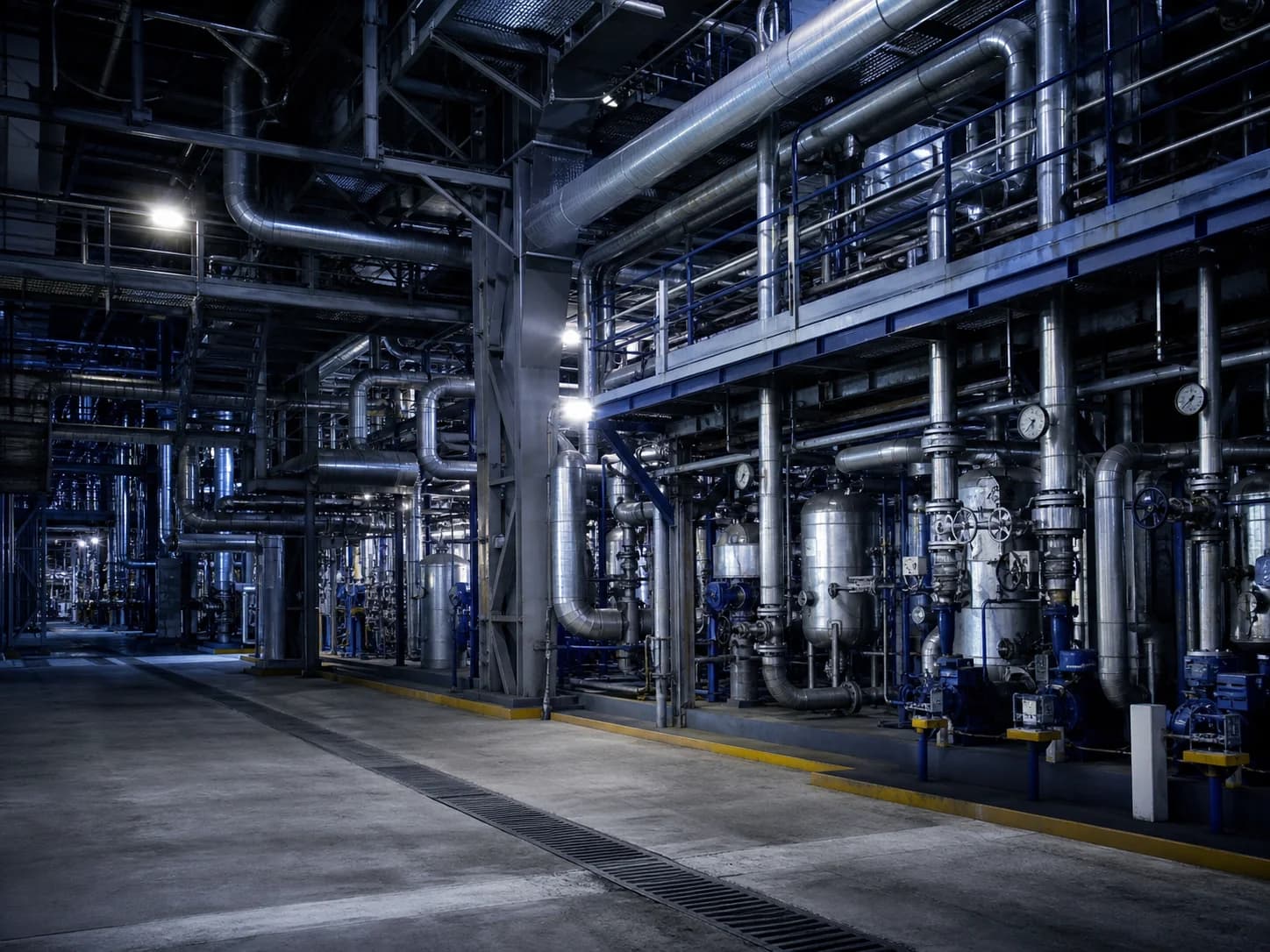
Industrial Facilities — representative photograph

Sector context

How Gokbilge approaches industrial facilities projects

Industrial projects are executed within production environments where shutdown windows, process dependencies and operational safety constrain site work. Modifications must be planned around existing utilities, control systems and maintenance access.

Scope commonly includes process-support systems, electrical distribution, utilities, automation and plant infrastructure. Existing conditions are verified before design, and tie-ins are sequenced against operating permits and production priorities.

Installation and testing plans distinguish work that can proceed online from activities requiring isolation or shutdown. Temporary arrangements, rollback provisions and commissioning prerequisites are defined before intervention.

The owner gains controlled integration without unnecessary production disruption. Operational risk, undocumented modifications and restart uncertainty are reduced through coordinated planning, field verification and structured handover.

  • Process support systems
  • Utility integration
  • Operational continuity during execution
01

Industrial work must respect the operating plant

Industrial projects are frequently executed inside live production environments. Existing utilities, process equipment, shutdown windows, hazardous areas, maintenance access and production targets constrain what can be built, when it can be isolated and how a new system can be introduced without destabilizing operations.

Gokbilge begins with field verification and interface definition. Existing conditions, tie-in points, loads, utilities, controls, access requirements and operating restrictions are documented before design and procurement decisions become difficult to reverse.

02

Brownfield interfaces and shutdown planning

The highest-risk moment in many plant projects is not routine construction but the final intervention into an operating system. Electrical outages, piping tie-ins, control-system migrations, equipment replacement and utility cutovers have limited windows and can affect production far beyond the immediate work area.

Shutdown work is therefore planned backwards from the available window. Prerequisites, materials, temporary arrangements, permits, isolations, testing resources, rollback options and restart criteria are confirmed before the intervention starts. Incomplete preparation is treated as a readiness issue rather than being pushed into the shutdown itself.

  • Existing-condition and tie-in verification
  • Shutdown and isolation planning
  • Temporary systems and rollback readiness
  • Production restart and acceptance criteria
03

Multidisciplinary plant integration

Plant modifications typically cross electrical distribution, mechanical utilities, piping, civil supports, instrumentation, automation, communications and process interfaces. Vendor packages also bring their own footprints, loads, utility needs and control requirements. Treating these as separate design streams transfers unresolved risk to site installation.

Gokbilge coordinates design releases, vendor data and field information through common interface and decision registers. Constructability, maintainability and commissioning access are reviewed before fabrication or installation so technical coordination supports the operating plant rather than only drawing completion.

04

Quality, HSE and operational handover

Industrial execution requires quality and HSE controls that are specific to the activity and operating environment. Permit-to-work, lifting, hot work, confined spaces, energization, pressure testing, chemicals, temporary systems and simultaneous operations are coordinated with production and maintenance stakeholders.

Handover is organized around systems and operational readiness. Test records, calibration, loop checks, interlocks, punch items, as-builts, spare parts, training and operating information are assembled progressively so the plant does not inherit an undocumented modification after construction demobilizes.

Relevant capabilities

Services commonly used in this sector

Sector challenges are addressed through the combination of delivery, contracting, engineering and advisory capabilities required by the specific project.

Related guidance

Practical guidance for decisions in this sector