
Gokbilge EngineeringGOKBILGE

03 · Delivery & Contract Control

Mechanical Engineering

Mechanical scope planning and site execution support for process and utility systems.

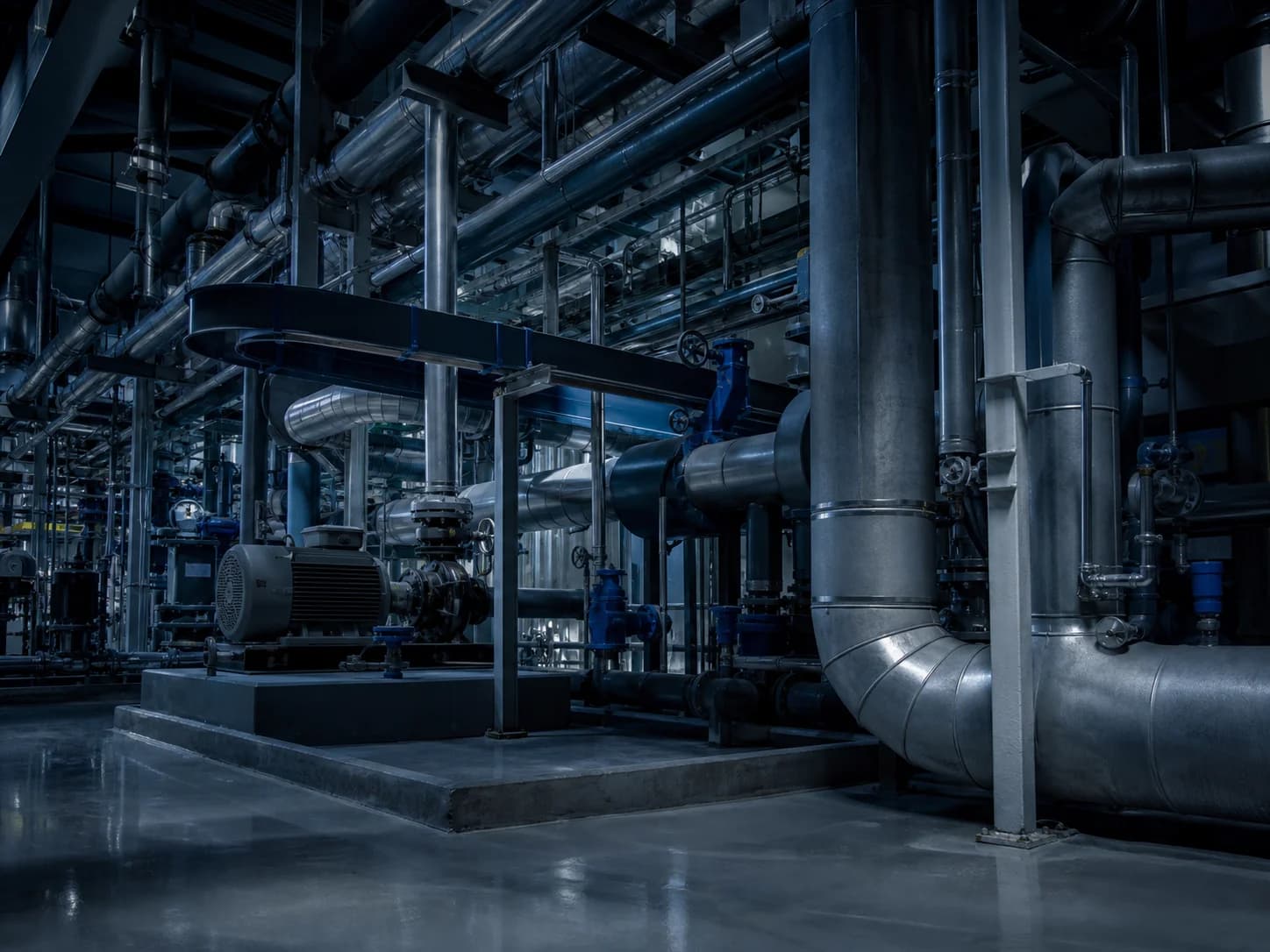
Mechanical Engineering — representative photograph
03

Lifecycle position

Engineering, construction, quality, HSE, cost and contractual control

Maintain one control thread across engineering, programme, site supervision, quality, HSE, quantities, payments, permits, utilities, notices, variations and claims while multidisciplinary work moves through construction.

Service at a glance

  • Piping, equipment and utility coordination
  • Installation sequencing across mechanical work packages
  • Commissioning support for utility and process systems
01

Design criteria and operating conditions

Mechanical engineering starts with process or utility duty, capacities, pressure and temperature conditions, fluid properties, materials, redundancy and maintainability requirements. These define equipment selection, piping classes, HVAC criteria and utility distribution philosophy.

Existing-system tie-ins and operational constraints are identified early because shutdown windows and live-plant interfaces can dominate the construction strategy.

02

Engineering and multidisciplinary coordination

Calculations, equipment specifications, layouts, piping documents, supports and installation requirements are coordinated with structures, power supplies, controls, drainage, ventilation, fire protection and access.

Vendor data is reviewed against the design basis and fed back into foundations, electrical loads, control interfaces and maintenance-space requirements.

  • Equipment and piping specifications
  • Layouts and calculations
  • Vendor-data review
  • Interface register
03

Installation and pre-commissioning support

Field support addresses alignment, supports, pressure testing, flushing, cleaning, insulation, rotation checks and equipment readiness. Deviations are assessed against performance, safety and maintainability before acceptance.

Mechanical completion is tracked by system so missing items, vendor attendance or utility dependencies can be resolved before commissioning starts.

04

Performance and handover

Functional and performance testing verifies that equipment and systems achieve the required duty under representative operating conditions. Test results and operating data become part of the handover record.

Clients receive coordinated mechanical systems with documented installation, test status and maintenance information.

05

Hydraulic, thermal and equipment performance basis

Mechanical systems are developed from defined duty conditions rather than equipment catalogues alone. Flow, pressure, temperature, diversity, operating range, redundancy and environmental conditions are used to size piping, pumps, heat-transfer equipment, ventilation systems and associated utilities. Equipment selections are then checked against available power, control requirements, space and maintenance access.

For piping and utility systems, pressure loss, material compatibility, isolation philosophy, drainage, venting, expansion and support requirements are coordinated with the operating concept. The aim is to provide a system that can be started, operated, maintained and isolated safely under the conditions expected during the asset lifecycle.

06

Installation verification and mechanical completion

Mechanical completion is built from verified installation records. Equipment alignment, supports, valve orientation, flange condition, pressure boundaries, cleanliness and access are checked before pressure testing, flushing, cleaning or other pre-commissioning activities proceed. Vendor requirements are incorporated where equipment warranty or performance depends on defined installation conditions.

The completion record is then linked to electrical supply, controls, instrumentation and utility readiness. This prevents a mechanically complete package from being released as an operational system before its external dependencies are available and gives commissioning teams a defined starting condition for functional testing.

Related guidance

Practical guidance behind this service

These Gokbilge articles explain the tender, contractual, commercial and delivery decisions most closely connected to this capability.

Infrastructure, industrial construction and buildings: why international works tenders cannot be priced or specified the same way

A master guide to the differences between linear infrastructure, hydraulic and marine works, airports, industrial/process construction and public or commercial buildings, with emphasis on technical specifications, measurement, interfaces, testing and acceptance.

Same lifecycle stage

Services typically coordinated with this capability

Maintain one control thread across engineering, programme, site supervision, quality, HSE, quantities, payments, permits, utilities, notices, variations and claims while multidisciplinary work moves through construction.