
Gokbilge EngineeringGOKBILGE

Industry

Energy

Generation, transmission, distribution and utility environments requiring multidisciplinary delivery discipline.

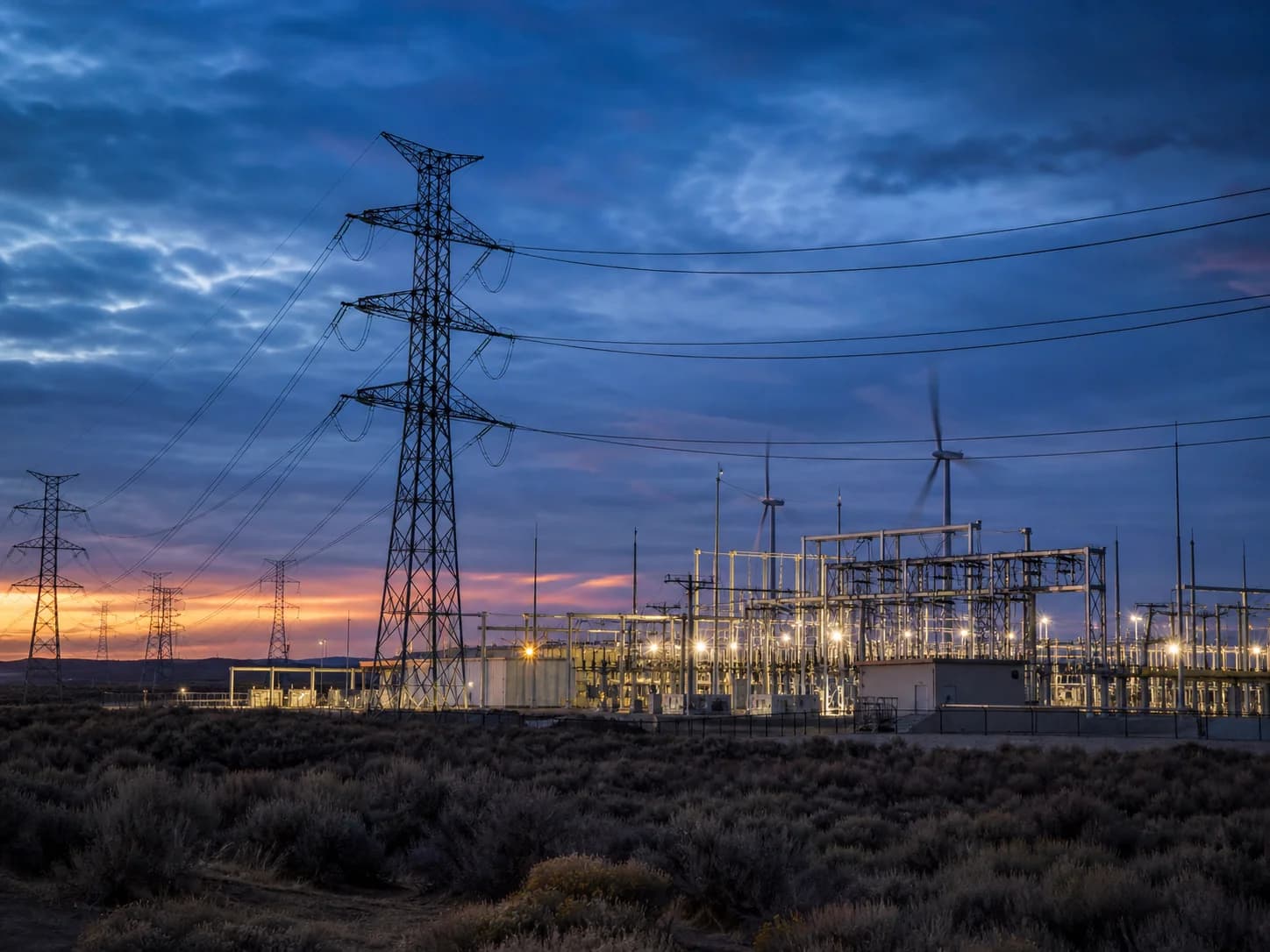
Energy — representative photograph

Sector context

How Gokbilge approaches energy projects

Energy projects combine generation assets, grid requirements, protection systems, metering, communications and operational controls. Interconnection conditions and utility approvals directly influence design, testing and energization sequencing.

Delivery may include renewable generation, hybrid assets, substations and balance-of-plant systems. Electrical, civil, mechanical and automation scopes are coordinated around export limits, protection philosophy and dispatch requirements.

Grid interfaces require controlled studies, approved settings, communication tests and documented compliance evidence. Equipment and control systems must operate consistently across normal, constrained and fault conditions.

Owners receive coordinated assets that are prepared for safe connection and stable operation. Approval risk, interface ambiguity and energization delay are reduced through traceable engineering and commissioning control.

  • Renewable generation
  • Hybrid energy assets
  • Substation and utility interfaces
01

Energy projects are interface-driven projects

Energy assets are rarely defined by one discipline. Generation equipment, grid connection, protection, metering, auxiliary systems, civil works, communications, SCADA, controls and commissioning all have to reach a common operating state. A technically correct subsystem can still delay the project when its interface with the utility, another package or the control philosophy has not been resolved.

Gokbilge approaches energy work as an integrated project-delivery problem. Design criteria, utility requirements, equipment data, site interfaces, procurement packages and testing obligations are connected early so that later construction and energization decisions are based on one coordinated technical baseline.

02

Typical energy-project risks and controls

Grid-connected projects are especially sensitive to late interface information. Export limits, fault levels, protection philosophy, metering requirements, communication protocols, dispatch signals and utility approval steps can affect equipment selection and programme logic long after civil works have started unless they are actively controlled.

Procurement and construction risks are equally important. Long-lead electrical equipment, imported packages, inspection requirements, route constraints, foundations, cable systems and control integration must arrive in the sequence required by the commissioning plan rather than simply by purchase-order date.

  • Grid-connection and utility interface control
  • Protection, metering and SCADA coordination
  • Long-lead equipment and logistics planning
  • System-based commissioning and energization readiness
03

How Gokbilge supports energy owners and contractors

Support can begin before award with tender review, technical scope definition, cost and procurement inputs, country or counterparty checks and bid-risk evaluation. During execution, the focus moves to multidisciplinary engineering, package procurement, construction coordination, quality, HSE, contract control and commissioning readiness.

The exact role depends on the project delivery model. Gokbilge can operate as an EPC or contracting party where that scope is agreed, or provide owner-side and delivery-side engineering, procurement, project-management and technical-commercial support where responsibility is divided among multiple parties.

04

From completion to an operable energy asset

Physical completion is not the end point for an energy project. Protection settings, communication paths, interlocks, alarms, metering, remote commands, auxiliary supplies and operating sequences must be demonstrated under controlled test conditions before the asset can be considered operationally ready.

A disciplined handover therefore combines test records, punch closure, settings, as-built information, training, outstanding obligations and acceptance evidence. The owner receives not only installed equipment but a traceable basis for safe energization, operation, maintenance and later warranty administration.

Relevant capabilities

Services commonly used in this sector

Sector challenges are addressed through the combination of delivery, contracting, engineering and advisory capabilities required by the specific project.

Related guidance

Practical guidance for decisions in this sector