
Gokbilge EngineeringGOKBILGE

Industry

Infrastructure

Infrastructure projects where systems engineering and field accountability must stay coordinated.

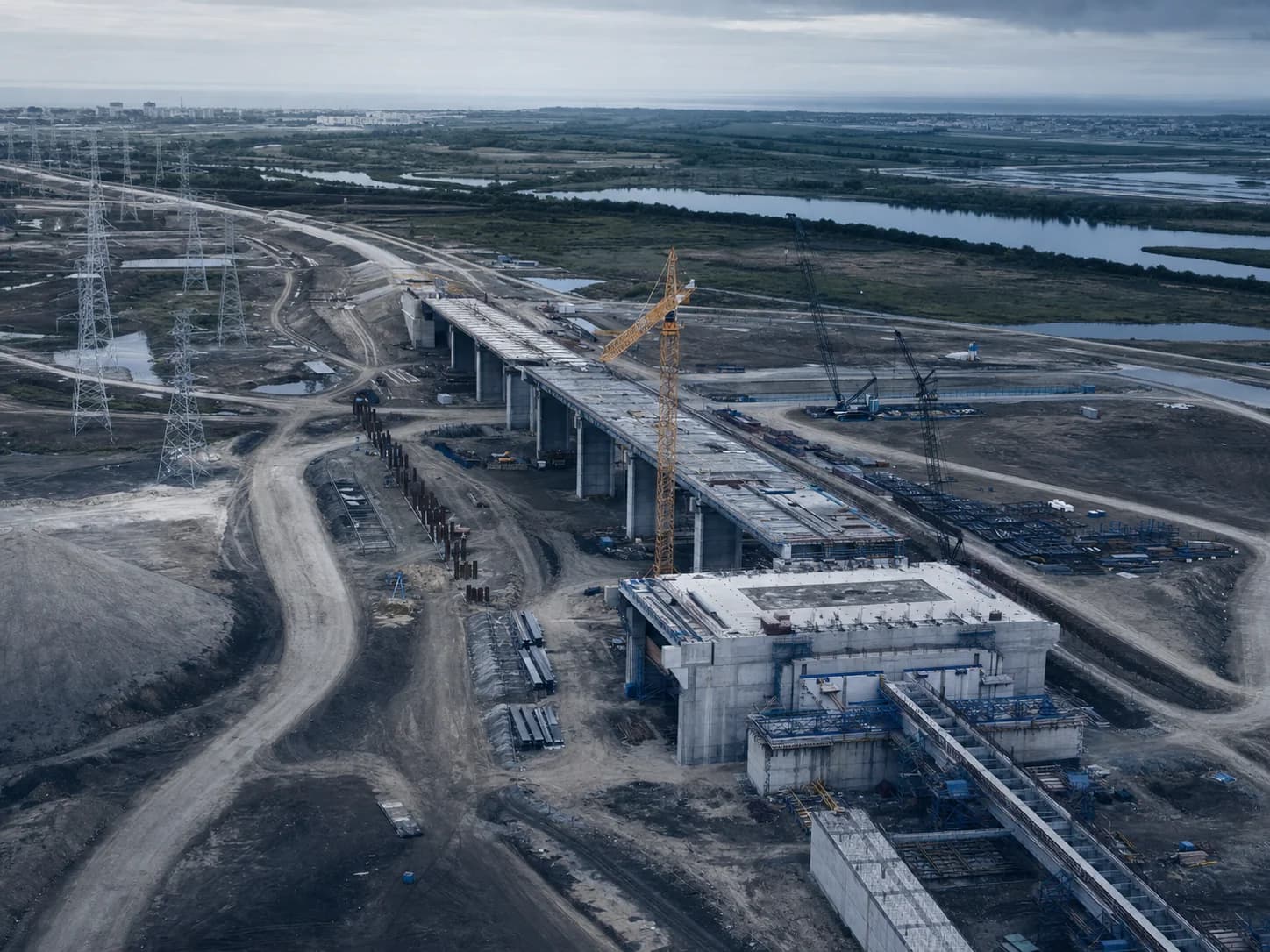
Infrastructure — representative photograph

Sector context

How Gokbilge approaches infrastructure projects

Infrastructure programs combine geographically distributed assets, field communications, utilities, civil works and control systems. Delivery must account for access limitations, environmental exposure and multiple contractor interfaces.

Engineering and site coordination cover control, monitoring, power, communications and associated physical infrastructure. Interface registers define responsibilities between equipment suppliers, civil contractors, operators and public authorities.

Field progress is managed by location, system boundary and readiness status. Installation records, test results and outstanding works are consolidated so distributed assets can be accepted as integrated systems.

Clients gain clear accountability across fragmented work packages and locations. Integration failures and handover gaps are reduced through common technical standards, controlled interfaces and system-level verification.

  • Control and monitoring systems
  • Field delivery coordination
  • Owner and contractor interface management
01

Infrastructure delivery is a corridor-and-interface problem

Transport, utility and public-infrastructure projects combine linear work fronts, structures, utilities, third-party interfaces, traffic or access constraints and multiple approval authorities. Progress is rarely controlled by one trade alone; it depends on whether land, design, utilities, materials, subcontractors and permits become available in the right sequence.

Gokbilge structures infrastructure delivery around work-front readiness and interface ownership. Design packages, permits, utility relocations, temporary works, procurement, logistics, construction activities and acceptance requirements are connected to the same programme logic so blocked fronts become visible before they consume time and resources.

02

Constructability, access and third-party dependencies

Infrastructure designs must be executable in real site conditions. Haul routes, temporary access, staging areas, lifting zones, traffic management, existing services, drainage, geotechnical conditions and environmental restrictions can materially change production rates and construction sequence.

Third-party dependencies need the same level of control as contractor activities. Utility owners, municipalities, land authorities, consultants and operators may control approvals or access that sit directly on the critical path. Registers and decision dates are used to make these dependencies measurable rather than leaving them as narrative risks in progress meetings.

  • ROW, land and access readiness
  • Utility diversion and protection
  • Temporary works and traffic interfaces
  • Subcontractor and work-package coordination
03

Commercial and contractual control during construction

Infrastructure projects often experience quantity movement, unforeseen conditions, utility conflicts, access restrictions, design development and instructed changes. Commercial control therefore has to remain connected to contemporary site records, measurement, programme status and contract notices.

Gokbilge links field evidence to quantity surveying, change evaluation, payment control and claim administration. The objective is not to turn every field issue into a claim, but to preserve the evidence and decision trail needed to distinguish contractor risk, Employer change and third-party dependency when commercial consequences arise.

04

Completion, acceptance and usable infrastructure

Infrastructure handover is package- and system-dependent. Civil completion, electrical systems, drainage, controls, safety systems, documentation and authority approvals may close at different times, so completion logic should be defined around acceptance boundaries rather than a single percentage-complete figure.

Structured punch management, test evidence, as-built records, authority interfaces and final-account information help move the project from physical works to accepted and maintainable infrastructure. This is especially important where the operating entity is different from the construction client.

Relevant capabilities

Services commonly used in this sector

Sector challenges are addressed through the combination of delivery, contracting, engineering and advisory capabilities required by the specific project.

Related guidance

Practical guidance for decisions in this sector