
Gokbilge EngineeringGOKBILGE

03 · Delivery & Contract Control

Civil and Structural Engineering

Civil works, structural coordination and site integration for technically constrained programs.

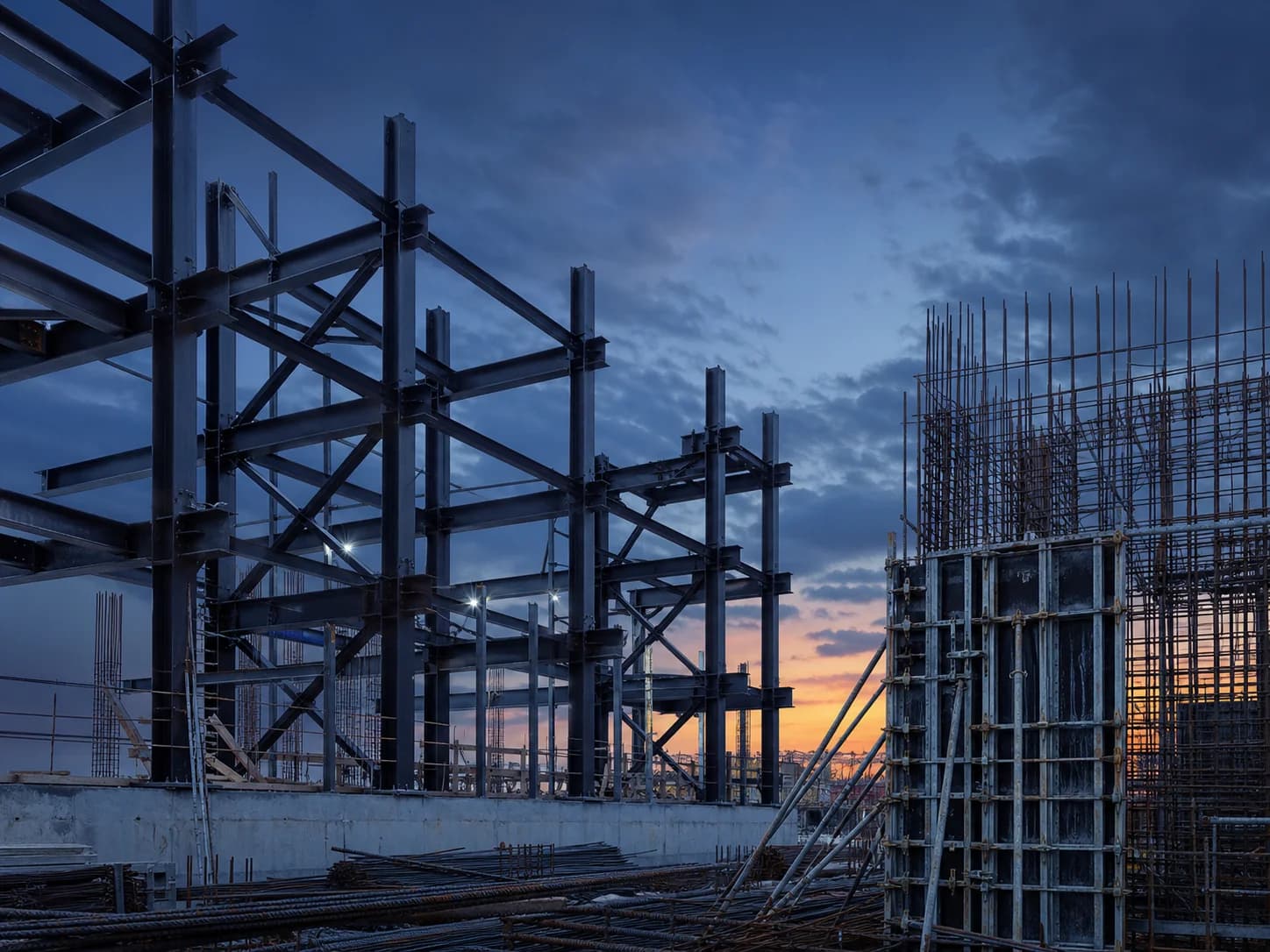
Civil and Structural Engineering — representative photograph
03

Lifecycle position

Engineering, construction, quality, HSE, cost and contractual control

Maintain one control thread across engineering, programme, site supervision, quality, HSE, quantities, payments, permits, utilities, notices, variations and claims while multidisciplinary work moves through construction.

Service at a glance

  • Structural interface planning with mechanical and electrical scopes
  • Site logistics and constructability review
  • Execution follow-up for foundations, steel and support systems
01

Site, geotechnical and load basis

Civil and structural engineering begins with existing site conditions, surveys, geotechnical information, equipment loads, environmental actions, drainage, access and construction constraints. The reliability of these inputs is reviewed before foundations or support systems are fixed.

Where information is incomplete, assumptions and required investigations are recorded explicitly so uncertainty is not hidden inside the design.

02

Structural design and interfaces

Foundations, structural steel, reinforced concrete, platforms, trenches, roads and drainage are coordinated with equipment footprints, anchor loads, embedded items, cable routes, piping penetrations and maintenance access.

Interface checks are completed before concrete placement or fabrication release because late changes to anchors, openings or loads can create disproportionate rework.

  • Structural calculations
  • Foundation/steel drawings
  • Embedded-item register
  • Multidisciplinary interface review
03

Constructability and site support

Constructability reviews consider excavation, temporary support, lifting, access, sequence, formwork, reinforcement congestion, concrete placement and fabrication tolerances. Temporary works interfaces are identified even where final responsibility sits with the contractor.

Site support includes inspection and engineering response for excavation, reinforcement, anchors, concrete, steel erection and deviations before critical work is concealed.

04

Verification and project outcome

As-built dimensions, test records, concrete data, material certificates and structural changes are incorporated into the completion record where required.

The client receives verified structural capacity and coordinated site integration with reduced risk of dimensional conflict, late equipment modification and hidden defects.

05

Design basis, loads and constructability

Civil and structural design begins by consolidating geotechnical information, equipment loads, operating loads, environmental actions, seismic requirements, site levels and construction constraints into one design basis. Foundations and structures are then checked not only for strength but also for serviceability, settlement, vibration, access and compatibility with the equipment they support.

Constructability reviews consider excavation sequence, temporary support, concrete pours, reinforcement congestion, lifting access, embedded items and fabrication tolerances before work is released. This is especially important around equipment foundations and multidisciplinary service zones where a late change to an anchor, penetration or trench can affect several downstream packages.

06

Field verification and interface control

Critical dimensions and concealed structural elements are verified before they become inaccessible. Excavation founding level, reinforcement, anchor bolts, embedded plates, concrete quality and steel erection geometry are recorded against approved drawings and inspection requirements. Deviations are assessed for structural consequence and interface impact before follow-on work proceeds.

Civil and structural coordination continues through equipment installation and site completion. Drainage, roads, trenches, cable routes, pipe supports and access structures must work together with the final plant layout. Maintaining this interface control reduces field modifications and gives the owner a site configuration that supports both structural performance and practical operation.

Related guidance

Practical guidance behind this service

These Gokbilge articles explain the tender, contractual, commercial and delivery decisions most closely connected to this capability.

Same lifecycle stage

Services typically coordinated with this capability

Maintain one control thread across engineering, programme, site supervision, quality, HSE, quantities, payments, permits, utilities, notices, variations and claims while multidisciplinary work moves through construction.