
Gokbilge EngineeringGOKBILGE

Completed project · 2018-2019

Long-range thermal surveillance system EPC for national border security

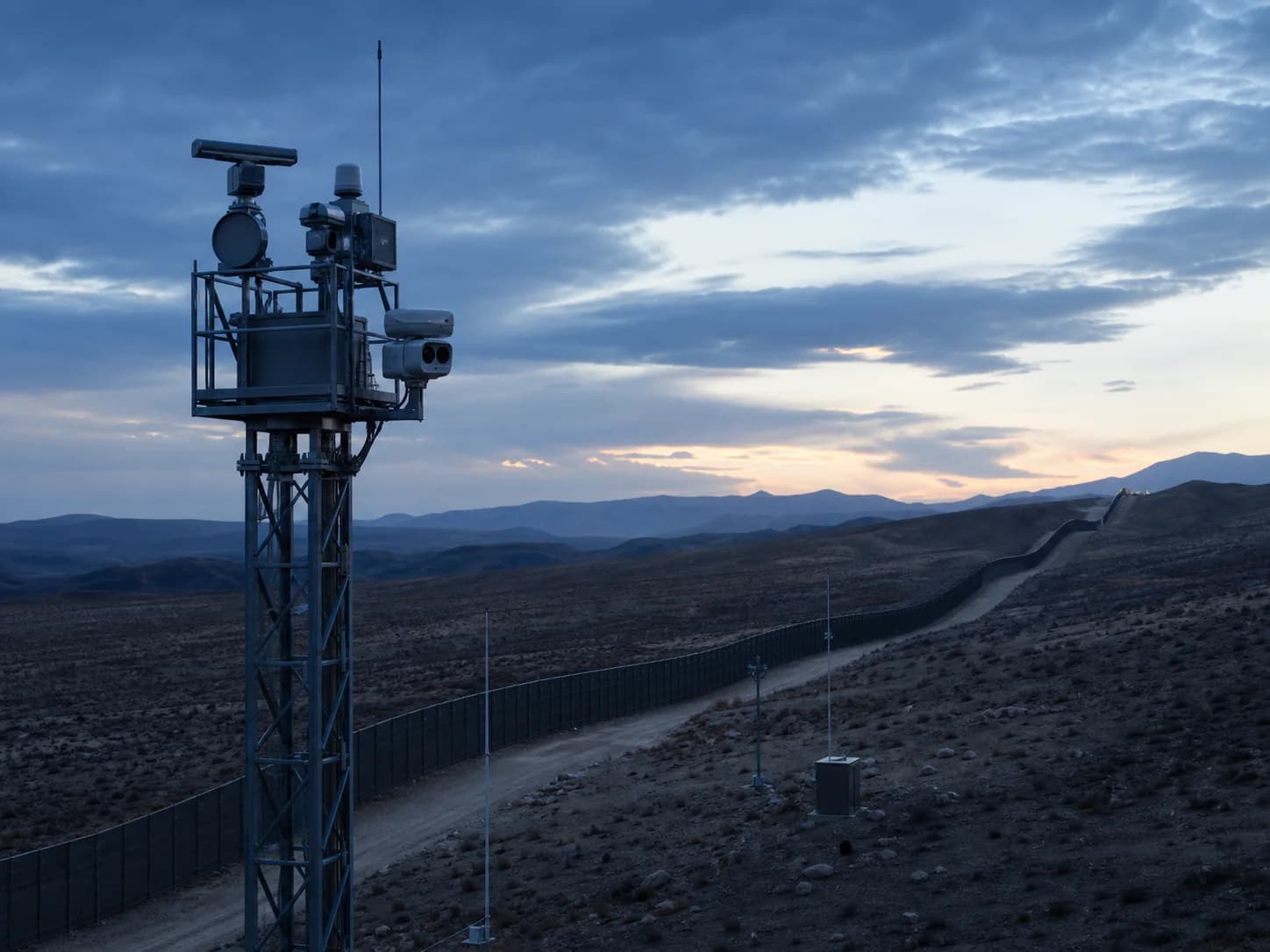
EPC delivery of an extremely long range thermal camera system for national border security, for Asis Elektronik and the General Directorate of Security.

Long-range thermal and daylight surveillance camera unit installed on a mast overlooking a highway and valley.
Period
2018-2019
Client
Asis Elektronik / General Directorate of Security
Gokbilge role
EPC contractor

Gokbilge delivered an extremely long range thermal camera system under EPC scope for Asis Elektronik and the General Directorate of Security (Emniyet Genel Müdürlüğü), supporting national border surveillance requirements.

Scope covered system engineering and integration, field installation and calibration, with acceptance testing carried out under operational conditions.

  • System engineering and integration
  • Field installation and calibration
  • Acceptance testing under operational conditions

Project experience

Delivery context and execution approach

The sections below add technical context to the published project facts without introducing undisclosed commercial or customer claims.

01

System engineering and field integration

Gokbilge delivered an extremely long-range thermal surveillance system under EPC scope for Asis Elektronik and the General Directorate of Security. The assignment combined system engineering with field installation, calibration and operational acceptance testing for a national border-surveillance application.

Long-range surveillance performance depends on more than the camera unit itself. Mounting stability, field of view, power, communications, environmental exposure, calibration and the relationship between sensor coverage and the monitored terrain all influence usable operational performance. These interfaces therefore need to be treated as one deployed system.

02

Acceptance under operational conditions

Acceptance testing under operational conditions was a key part of the scope because laboratory functionality alone does not demonstrate field surveillance performance. Installed equipment needed to be calibrated and assessed in the environment in which operators would actually use it.

This approach links engineering assumptions to observable system behavior at handover. The owner receives a system whose installation and calibration have been tested as part of the deployed solution rather than relying only on component-level certificates.